

Have you ever wondered what really happens between the school gates from the moment the morning bell rings to the final dismissal of the day? For many parents and prospective students, secondary school can seem like a mystery - a place where young people disappear each morning and return in the evening, hopefully a little wiser.
But the truth is that a well-run secondary school is one of the most dynamic environments a young person will ever inhabit. It is a place of structure and spontaneity, of rigorous learning and genuine laughter, of individual growth and communal belonging.
In this article, we take you on a walk through a typical school day - from the energy of morning assembly to the quiet focus of a laboratory session, through the lively chatter of break time and back into the classroom. Whether you're a parent choosing a school for your child, a prospective student, or simply curious, here's what a purposeful school day looks like from the inside.
Before we dive in, here's a rough outline of how the day is typically structured:
7:30 AM Gates open — students arrive
7:55 AM Morning assembly
8:30 AM First lesson block begins
10:30 AM Short break
10:45 AM Second lesson block / practical sessions
12:30 PM Lunch break
1:15 PM Afternoon lessons
2:45 PM Final bell / dismissal
Every minute of this timetable is intentional. The rhythm of a well-ordered school day builds not just academic knowledge, but the habits of punctuality, focus, and discipline that students carry far beyond the classroom.
The school day doesn't begin in the classroom. It begins in the assembly ground, and for good reason. Morning assembly is one of the most underrated rituals in secondary education — a daily reset that brings the entire student body together before the business of learning begins.
What happens during morning assembly varies by school, but the core elements typically include:
For students, assembly is also a social warm-up — the chance to catch up with friends, mentally transition from home mode to school mode, and feel the collective energy of their peers before lessons begin.
Teacher's Perspective: Morning assembly gives us a pulse on the school community each day. When students are energised and engaged at assembly, it carries into the classrooms.
By 8:30 AM, students are seated and the real work begins. Across the different arms - science, arts, and commercial — teachers deliver lessons designed not just to transfer information, but to provoke thinking, spark curiosity, and build genuine understanding.
Modern secondary school classrooms have evolved significantly from the chalk-and-talk model of previous generations. Today's effective classroom blends direct instruction with interactive methods that keep students actively engaged.
Here's what classroom learning looks like across the three academic tracks:
A typical morning might move from a Biology lesson on cell division - complete with labelled diagrams and exam-style questions — to a Physics class working through equations on motion, with the teacher drawing real-life examples from everyday experience to ground abstract concepts.
Literature classes come alive with group discussions about character motivation and narrative technique. Government lessons explore democratic systems with the kind of analytical depth that connects theory to what students see on the news. History lessons don't just recite dates — they invite students to interrogate why events unfolded the way they did.
Economics students grapple with supply and demand curves and their real-world applications. Accounts classes work through ledger entries and financial statements, building numerical literacy that is directly applicable to running a business. Marketing lessons introduce concepts of consumer behaviour, branding, and competitive strategy.
What makes it work: The best classroom learning happens when students feel safe to ask questions, challenge ideas, and make mistakes. A school culture that rewards intellectual curiosity produces students who don't just memorise - they think.
There are some things a textbook simply cannot teach. The precise way a Bunsen burner flame changes with airflow. The satisfaction of a program running correctly on a computer screen after twenty minutes of debugging. The way chemicals transform when combined in the right proportions under the right conditions.
This is why practical sessions - in the laboratory, the ICT suite, and other specialist spaces - are not extras. They are core to a complete secondary education.
Students in white lab coats, safety goggles on, working in pairs or small groups to conduct experiments. In a Biology lab, they might be examining slides under microscopes or dissecting specimens. In Chemistry, titration experiments help them grasp concentration and reaction rates. In Physics, simple circuit boards make abstract electrical concepts suddenly tangible.
The ICT suite is one of the most energising spaces in a modern school. Students learn word processing, spreadsheet management, presentation design, and basic coding - skills that directly translate into academic productivity and future employability.
Student Voice: You understand things differently when you do them yourself. In the lab, you see it happen in front of you — that's when it finally makes sense.
Ask any secondary school graduate what they remember most vividly about school, and the answer is rarely a specific lesson. It's the friendships forged at break time. The arguments settled over a game of football. The shared snacks, the running jokes, the quiet conversations that somehow meant everything at the time.
Break time is not a pause from education. It is part of it. The social skills, emotional intelligence, and peer relationships developed during unstructured time are foundational to a young person's development — and research consistently affirms this.
Here's what a healthy break time looks like in a well-managed school:
The way a school manages break time reveals a great deal about its culture. A school where students are relaxed, respectful of shared spaces, and genuinely enjoying each other's company is a school where students feel safe - and feeling safe is the precondition for learning.
Good to know: Many schools now incorporate structured play or mindfulness options alongside free movement during break — giving introverted students especially a way to recharge that suits their temperament.
After lunch, the afternoon session serves a different energy than the morning. Students return to class having eaten, rested, and socialised. The best teachers recognise this shift and structure their afternoon lessons accordingly - using more interactive formats, group work, or revision activities rather than frontloaded new content.
Afternoon sessions often feature:
By the time the final bell rings at 2:45 PM, a well-structured school day has moved students through a carefully considered arc — from the collective energy of assembly, through the focused rigour of lessons and practicals, through the social restoration of break time, and into the consolidating work of the afternoon. They leave not just with new information, but with an experience of what it means to show up, engage, and contribute.
A school day, at its best, is more than a sequence of lessons. It is a carefully designed environment for becoming — becoming more knowledgeable, more capable, more resilient, and more socially aware.
Every element of the day, from the discipline of morning assembly to the laughter of break time, from the focused intensity of a laboratory session to the reflective quiet of an afternoon lesson, plays a role in shaping young people who are ready not just for examinations, but for life.
That is the promise of excellent secondary education: not merely to produce students who can pass tests, but to cultivate individuals who are curious, disciplined, confident, and deeply prepared for whatever comes next.
Give your child the opportunity to learn, grow, and excel in a supportive environment designed to nurture academic achievement, character, and leadership. Join a community dedicated to shaping confident and successful future leaders.
Holux Twins Private Schools, empowering future leaders through quality education
For many parents and prospective students, secondary school can seem like a mystery - a place where young people disappear each morning an ...
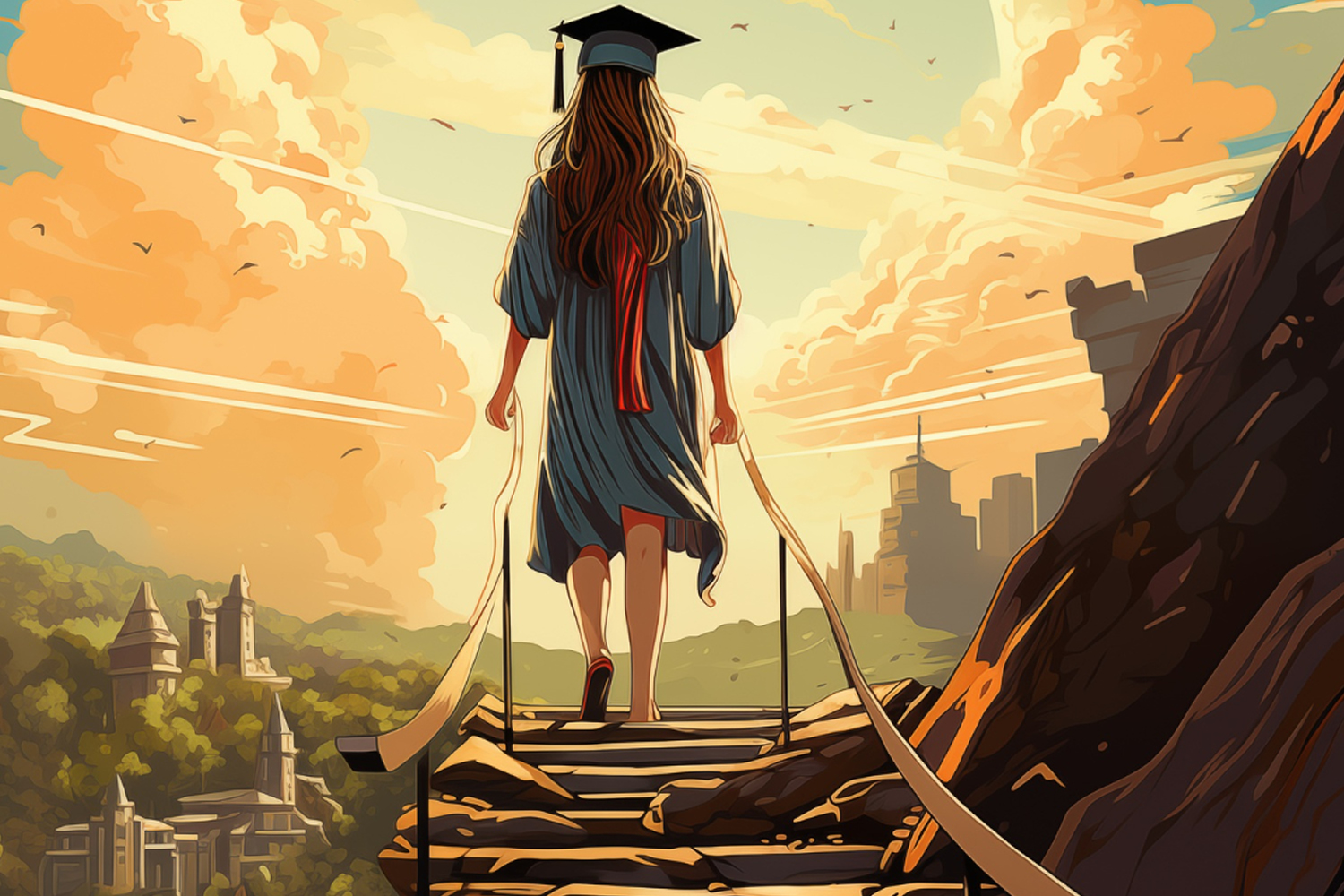
Career path after secondary school is one of the most significant crossroads a young person will face. The career path chosen after second ...

Every year, hundreds of thousands of Nigerian students sit for the West African Senior School Certificate Examination (WAEC) and the Natio ...

Empowering students to excel academically, grow confidently, and succeed.

Excellence in education, trusted by generations of families.

Providing quality education that earns trust and inspires success.


"This school has truly transformed my child’s confidence and academic performance. The teachers are dedicated, and the learning environment is very supportive. I’m impressed with the steady improvement in results."
"I love my school because the teachers explain everything clearly and always encourage us to do better. I’ve become more confident in my studies and enjoy learning every day."


© Copyright 2026 Holux Twins Private Schools. All rights reserved. All Operational
